SANParks Official Logo - Kruger Centenary
100 Years Wild

Kruger National Park
A Century of Conservation

Complete History

1898 – 2026
The Full Story

Complete History

1898 – 2026
The Full Story

A Living Legacy by SANParks

The Transvaal Volksraad initially proclaimed the Kruger National Park (KNP) as the Sabi Game Reserve in 1898. It was gazetted as such, a state-owned and managed game reserve inspired by the advent of iconic parks like Yellowstone, Yosemite, Sequoia, Mount Rainer (USA), Tongariro (New Zealand), Royal National Park in Sydney, Australia, etc. Yellowstone National Park's model inspired the establishment of these parks.

The Sabi Game Reserve is the precursor to the modern-day Kruger National Park. Therefore, the 100th /Centenary of the Kruger National Park in 1998 was celebrated with fanfare. Like many national parks around the world, they began under different names and were later expanded and renamed into what they are today. A name change does not necessarily change the establishment or initial creation date of any institution.

In 1998, there was a big celebration of Kruger’s Centenary with the byline "Xa Mina Xa Wena" as a precursor to the World Parks Congress "Benefits Beyond Boundaries. Therefore, the narrative would need to make clear that Kruger National Park was initially proclaimed in 1898, 26 years after Yellowstone National Park.

Celebrating Kruger National Park

Honoring the people, partnerships, and generosity that make Kruger a world-class conservation success story.

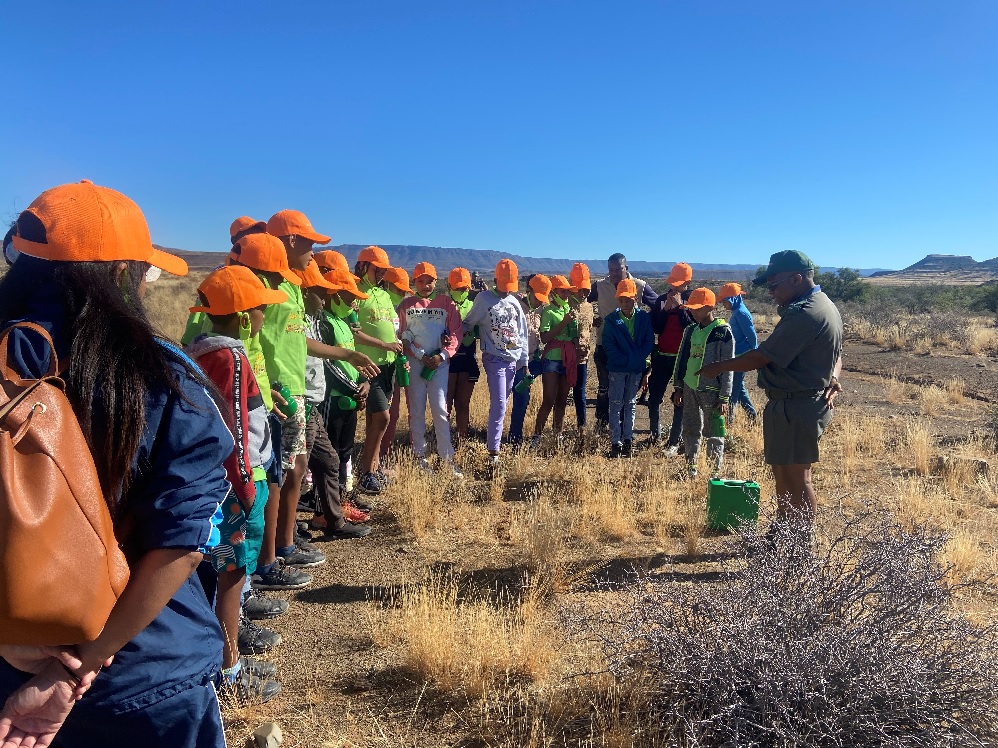
Kruger Park Rangers and Staff protecting wildlife
Unsung Heroes
Dedicated Staff & Rangers
Over 3,500 passionate individuals work tirelessly across Kruger — from field rangers risking their lives to protect rhinos, to hospitality teams welcoming millions of visitors. Their commitment is the backbone of 100 years of conservation excellence.
98% of staff are from local communities
Local communities and villages benefiting from Kruger National Park
Thriving Communities
Villages Benefiting from Kruger
More than 85 neighboring communities benefit directly through SANParks' People & Parks program. From job creation to skills training, Kruger generates sustainable livelihoods across Bushbuckridge, Hazyview, Phalaborwa, and beyond.
12,000+ jobs supported annually
Anti-poaching conservation donations and SANParks funding
Investing in the Wild
Donations to Conservation
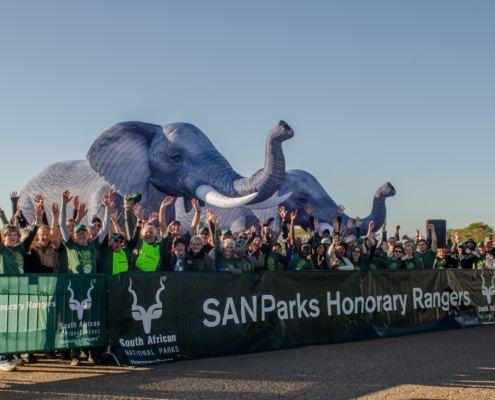
Through the SANParks Honorary Rangers and the Kruger Foundation, generous donors have funded anti-poaching units, rhino DNA indexing, K9 units, and smart park technology. In 2025 alone, R45 million was raised for conservation projects.
Every rand protects heritage

Centenary Milestones (1998–2026)

1998
First Centenary: "Xa Mina Xa Wena" launched
2002
Great Limpopo Transfrontier Park formed
2021
2nd Centenary countdown begins
2026
Legacy of 100 Years of official KNP status

Youth & Education: The Next Conservation Generation

Kruger's Eco-Schools and Junior Ranger programs have inspired over 250,000 young learners across South Africa. Annual youth bush camps and biodiversity workshops create future guardians of our natural heritage.

45+ eco-clubs active 12,000+ youth reached annually

Villages Thriving with Kruger

Mkhuhlu
140+ SMMEs supported through tourism supply chain
Marloth Park
Joint water stewardship & ranger training programs
Phalaborwa
Green energy & craft markets at the gate
Bushbuckridge
Indigenous plant nurseries and conservation internships

SANParks' Socio-Economic Transformation program injected over R220 million into local economies in 2025.

"Kruger is not just a park — it's a lifeline for people and wildlife. Together we celebrate 100 years of shared success." — SANParks CEO

The Complete Kruger Chronicle

Explore 128 years of conservation legacy through our interactive timeline tiles.
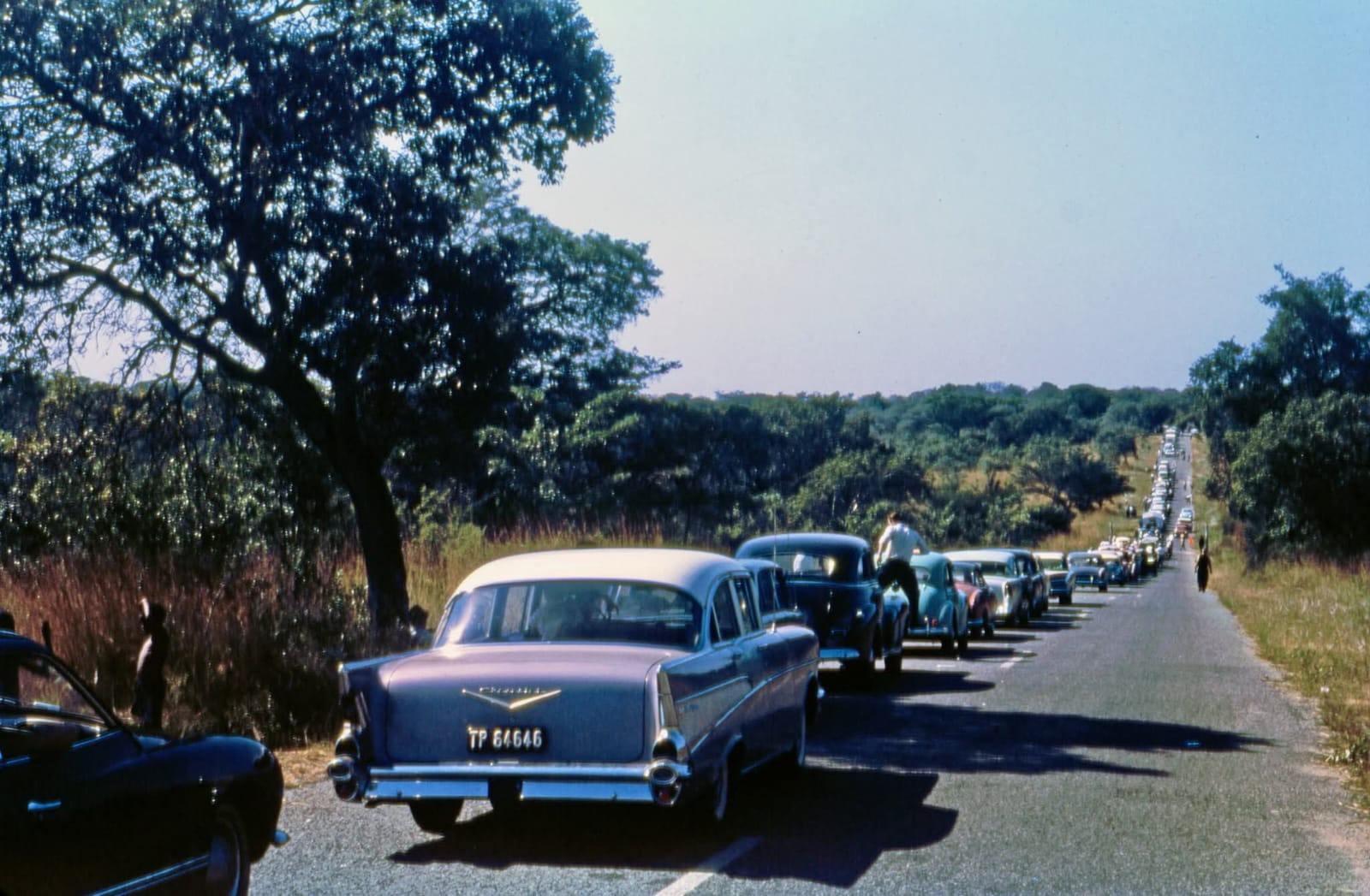
Birth of Kruger Vision 1898 Sabi Game Reserve
1898 – 1926
🌿 Birth of a Vision
  • 1898: Sabie Game Reserve proclaimed by President Paul Kruger
  • 1902: James Stevenson-Hamilton appointed first warden
  • 1926: Kruger National Park officially established
"Skukuza" means "he who sweeps clean" — the name given to Stevenson-Hamilton by local people
Kruger opening to tourists 1927
1927 – 1959
🚗 Opening to the World
  • 1927: First tourists admitted for £1 per vehicle
  • 1929: Skukuza Camp founded
  • 1946: Stevenson-Hamilton retires after 44 years
100,000+ visitors annually by 1959
Operation Rhino 1961 Kruger conservation success
1961 – 1979
🦏 Operation Rhino
  • 1961: Operation Rhino saves white rhino from extinction
  • 1979: First canine anti-poaching unit established
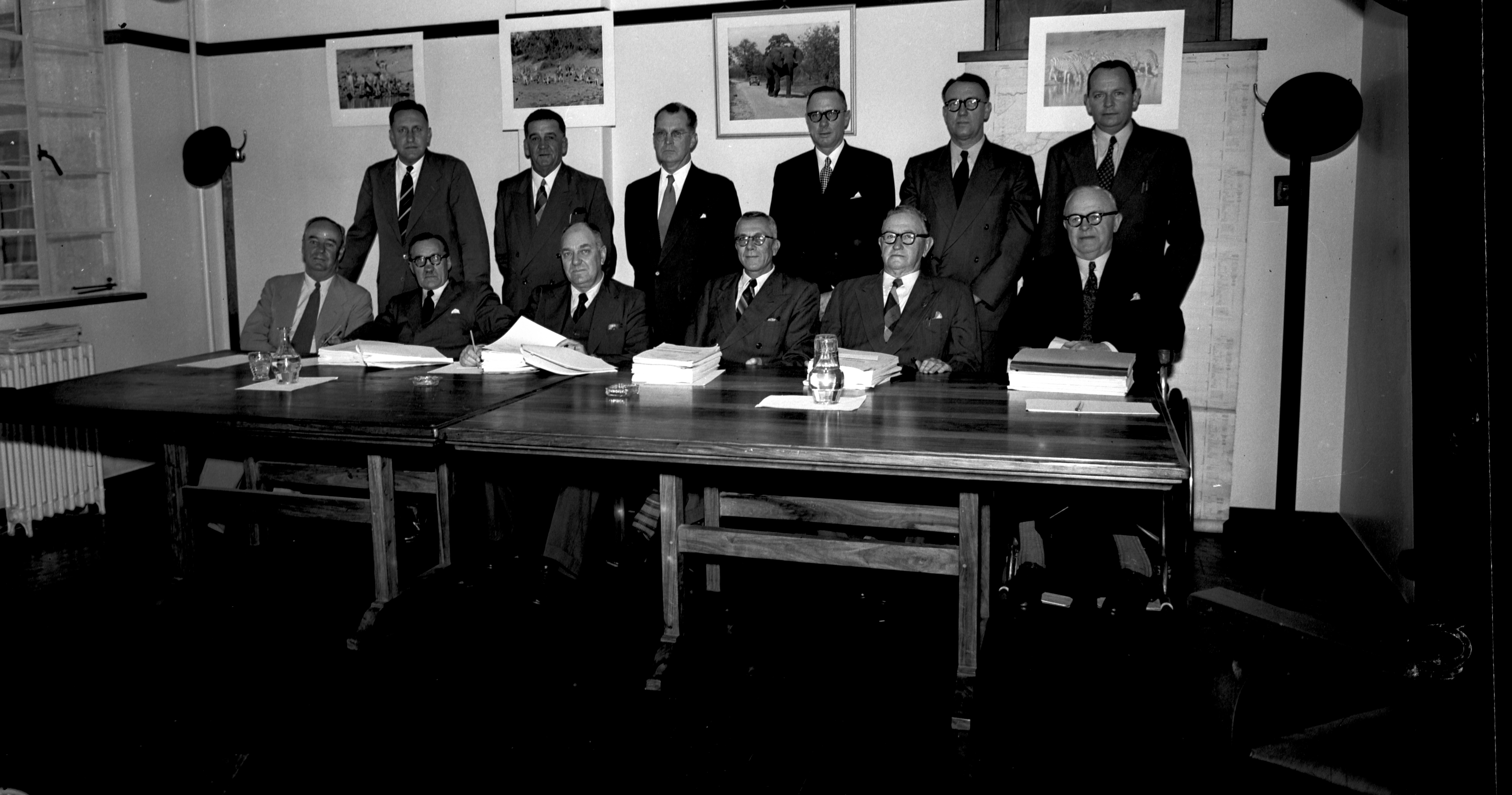
3,000+ rhinos relocated to safe habitats across South Africa
People's Park Kruger community conservation
1980 – 1999
🤝 People's Park Era
  • 1994: "People and Parks" program launched
  • 1998: Makuleke land restitution partnership
  • 1999: Kruger named flagship of transfrontier parks
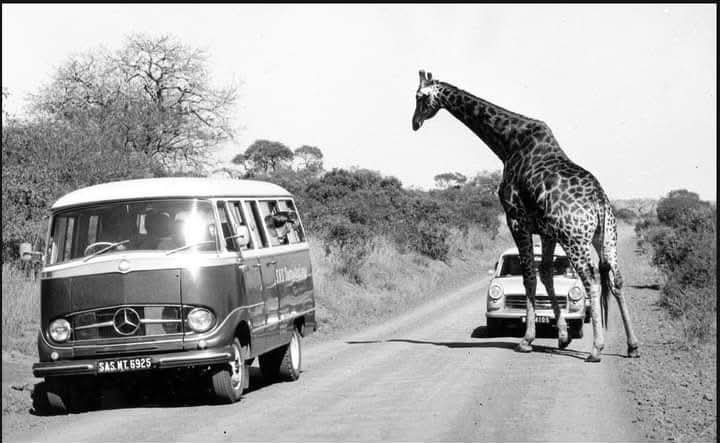
Community conservation becomes a priority
Great Limpopo Transfrontier Park 2002
2000 – 2015
🌍 Great Limpopo Transfrontier
  • 2002: Great Limpopo Transfrontier Park established
  • 2005: Rhino DNA indexing program launched
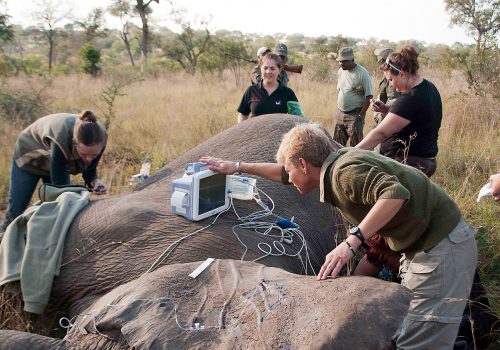
Connecting parks across South Africa, Mozambique, and Zimbabwe
Modern conservation technology Kruger smart parks
2016 – 2025
📱 Modern Conservation Era
  • 2016: Smart Parks IoT technology deployed
  • 2019: 100th anniversary of Skukuza Camp
  • 2024: Record 1.9M visitors
Technology meets conservation
1898
Earliest Protection
1926
Park Established
19,485 km²
Protected Area
147
Mammal Species
1.8M+
Annual Visitors

Conservation Pioneers

The visionary individuals who shaped Kruger National Park into a world-class conservation area.

James Stevenson-Hamilton
First Warden (1902-1946)
Known as "Skukuza" (he who sweeps clean), Hamilton transformed Kruger from a hunting reserve into a world-class conservation area. His 44-year tenure established scientific wildlife management and anti-poaching measures that remain effective today.
President Paul Kruger
Founder (1825-1904)
As president of the South African Republic, Kruger proclaimed the Sabie Game Reserve in 1898, establishing the protected area that would later bear his name. His vision for wildlife conservation was decades ahead of its time.
Dr. Uys de Villiers Pienaar
Warden (1960-1980)
Known as "Tol," Pienaar expanded scientific research in Kruger, established ecological monitoring programs, and guided the park through a period of significant growth and professionalization.
Dr. David Mabunda
First Black CEO (2000-2012)
As the first black CEO of SANParks, Mabunda championed transformation, community engagement, and the expansion of transfrontier conservation areas, making Kruger accessible to all South Africans.

Major Conservation Achievements

Kruger's pioneering conservation successes recognized worldwide.

Operation Rhino (1961)
Saved the white rhino from extinction, increasing population from fewer than 100 to over 20,000 across South Africa. A global model for species recovery.
Elephant Management Strategy
Developed world-leading approaches to managing elephant populations while maintaining biodiversity and ecosystem health.
Rhino DNA Indexing (2005)
Pioneered forensic DNA technology to combat rhino poaching and track illegal horn trade, now used worldwide.
Great Limpopo Transfrontier Park
Created the world's largest transfrontier conservation area, linking protected areas across South Africa, Mozambique, and Zimbabwe.
Smart Parks Technology
Implemented IoT sensors, drones, and AI-powered monitoring systems for real-time anti-poaching and wildlife tracking.
People & Parks Program
Revolutionized community conservation by sharing tourism revenue and creating jobs for neighboring communities.

Accommodation: Then & Now

Explore the transformation of Kruger's iconic rest camps.

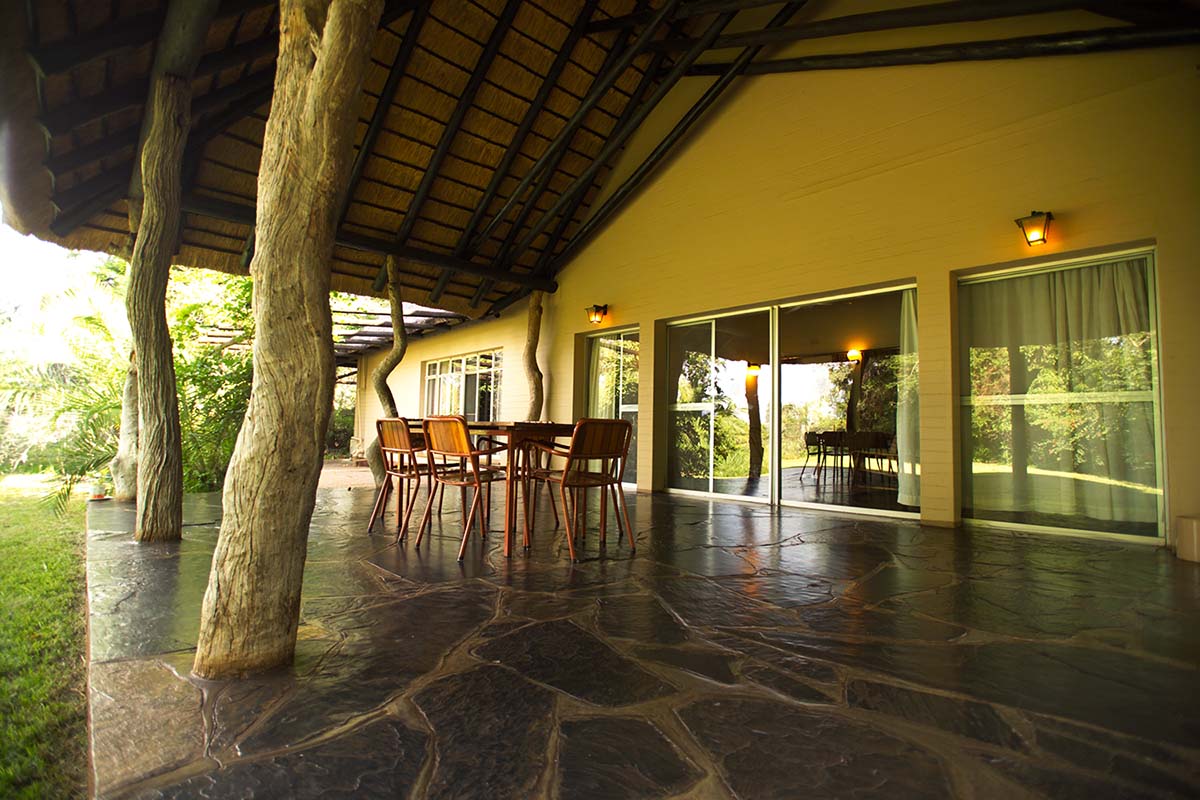
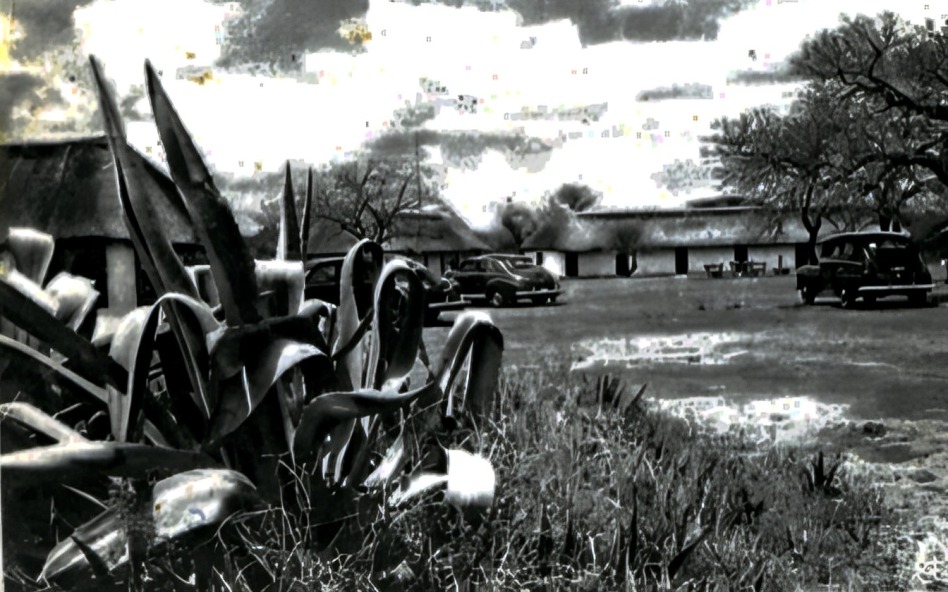
Satara Camp historical 1930 Kruger
THEN · 1929
Satara Rest Camp modern 2026 Kruger
NOW · 2026

Satara Rest Camp

Lower Sabie Camp mid 1900s
THEN · 1940s
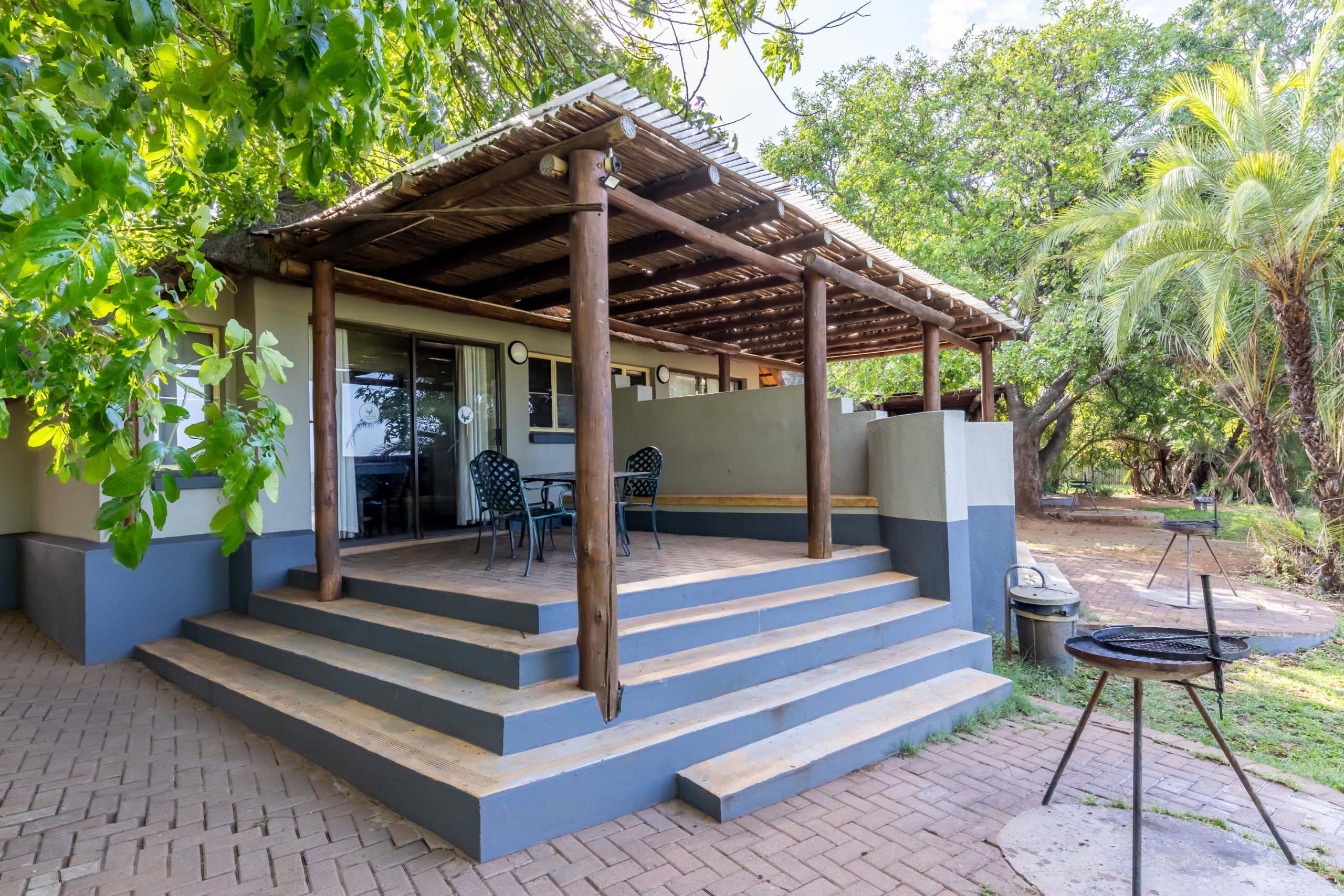
Lower Sabie contemporary camp Kruger
NOW · 2026

Lower Sabie Rest Camp

Explore Heritage Sites

Discover the rich cultural heritage of Kruger National Park through these significant sites

Centenary Events 2026

Join celebrations across the park.
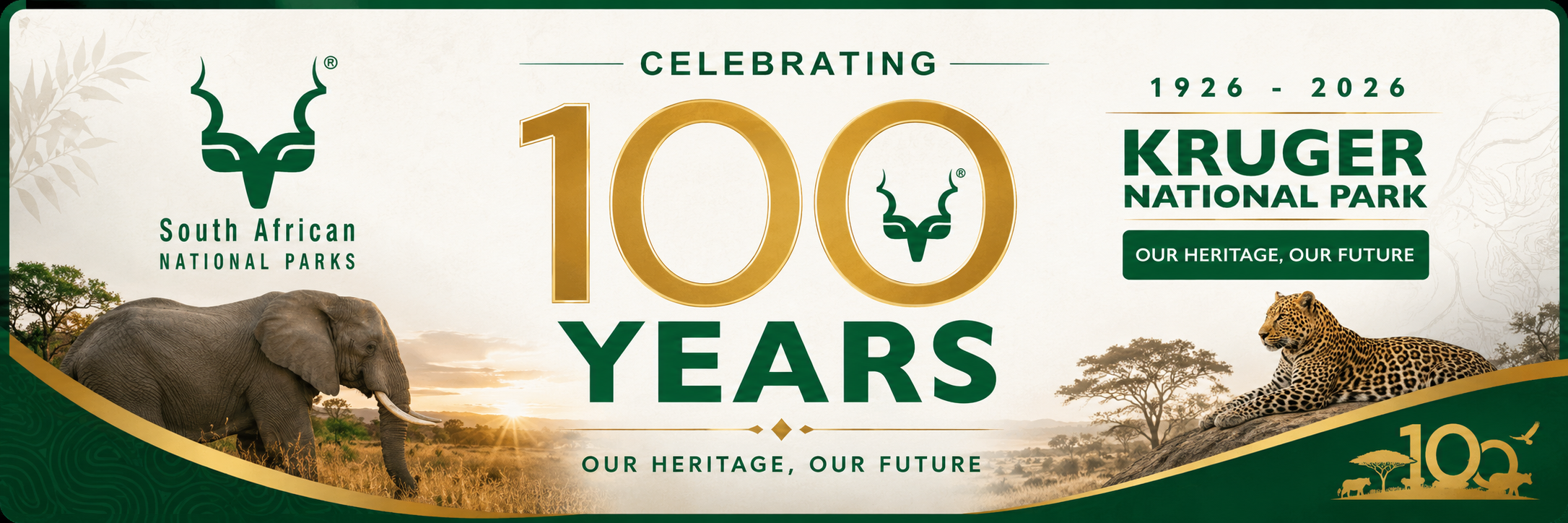
Kruger Centenary Celebration 2026 event30 May 2026

KNP Centenary Celebration

The official 3-day celebration marking 100 years of conservation excellence.

Learn More